For anyone passionate about cooking, baking, cheesemaking, or even DIY crafts, a simple piece of fabric can be a game-changer. That fabric is cheesecloth. Far more than just a tool for making cheese, this versatile, gauzy cotton cloth is a multi-purpose workhorse in the kitchen and beyond. Whether you're straining homemade yogurt, clarifying butter, or creating a beautiful bouquet garni, understanding the different types and grades of cheesecloth is key to achieving the best results.
What is Cheesecloth and What Are Its Primary Uses?
Cheesecloth is a lightweight, loosely woven cotton fabric. Its open weave allows liquids to pass through while trapping solids, making it ideal for a wide array of tasks. In the kitchen, its uses are nearly endless. It's the traditional choice for cheese making, where it's used to drain whey from curds, shaping soft cheeses like ricotta or paneer. It's also perfect for food straining tasks such as making nut milks, straining stocks and broths to achieve crystal-clear consommé, or separating pulp from fresh fruit juices.
Beyond straining, cheesecloth is invaluable for bundling herbs and spices into a sachet for soups and stews, which can be easily removed before serving. It's also commonly used for cooking turkey—wrapping the bird in a butter-soaked cloth helps baste it evenly for a moist, golden result. Outside the kitchen, it's a favorite in DIY crafts, used for everything from ghost Halloween decorations to delicate fabric flowers.
Understanding Cheesecloth Grades: Why Grade Matters
Not all cheesecloth is created equal. It comes in numbered grades, typically ranging from 10 to 100, which refer to the number of threads per inch in each direction. The lower the number, the looser the weave. For most kitchen tasks, especially those requiring fine straining, Grade 100 cheesecloth is the gold standard.
Grade 100, often called "butter muslin," has an ultra-dense, fine mesh. This makes it perfect for tasks where you want to trap very fine particles, like when making creamy yogurt, clarifying butter into ghee, or straining fine sediments from wine or vinegar. Products like the Cotton Farm Grade 100 XL Cheese Cloth are specifically designed for these demanding applications, offering a reusable, hemmed-edge fabric that won't shed lint into your food.
For less demanding tasks, like bundling herbs or making a large batch of stock, a lower grade like 60 or 90 might suffice. However, for consistent, professional-quality results in fine cooking cheesecloth applications, investing in a high-grade cloth is worthwhile.
Key Features to Look For: Bleached vs. Unbleached, Edges, and Size
When selecting your cheesecloth, consider these important features:
Bleached vs. Unbleached: You'll find both options. Unbleached (natural) cheesecloth retains its natural cotton color and hasn't been treated with chemicals like chlorine. Many prefer it for a more "natural" kitchen product, such as the MAJESTIC CHEF Natural Cheesecloth. Bleached cheesecloth is white and may be preferred for its aesthetic cleanliness, like the GoodCook Everyday 100% Cotton Cheesecloth.
Hemmed or Finished Edges: A critical feature for durability and reusability. Raw, cut edges fray and unravel quickly, turning your cloth into a mess of threads. Look for cloths with hemmed, serged, or closed edges. Products like the 12Pcs Reusable Cheese Cloths boast hemmed edges on all four sides, making them sturdy and long-lasting.
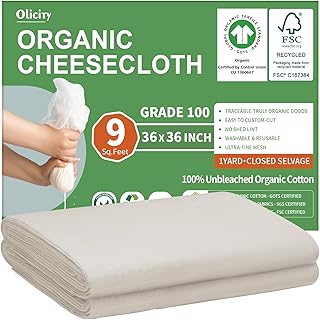
Size and Precut Packs: Cheesecloth is sold by the yard or in convenient precut squares. Precut packs save time and ensure you have the right size on hand. For smaller tasks, a Precut Cheesecloth, 15 x 15'' 4 Pack is ideal. For larger projects like straining big batches of cider or wrapping a turkey, a larger 36x36 inch cloth, like the Organic Cheese Cloths, is more practical.
Top Picks for Every Kitchen and Craft Room
With so many options, here are a few standout products for different needs:
For the Eco-Conscious Cook: The Organic Cheese Cloths, GOTS Certified offer a premium, sustainable choice. Made from organic cotton with a certified manufacturing process, they are perfect for those who prioritize organic materials in their culinary cheesecloth.
For Value and Versatility: Multi-packs provide excellent value and ensure you always have a clean cloth ready. The 6-Pack Beige Cheesecloth and the Mostdream Cheese Cloths, 10Pcs are fantastic options for everyday cooking essentials like straining, juicing, and baking.
For Serious Cheesemakers and Fine Straining: When only the finest will do, seek out a dedicated butter muslin or ultra-dense Grade 100 cloth. The Cotton Farm Grade 100 XL Cheese Cloth is specifically marketed for this purpose, ensuring no curds escape during cheese making.
Care and Reusability: Getting the Most from Your Cloth
A major benefit of quality cheesecloth is its reusability. To care for your cloth, simply rinse it thoroughly in cold water immediately after use to remove food particles. For deeper cleaning, hand-wash or machine wash on a gentle cycle with mild detergent. Avoid fabric softeners, as they can clog the weave. Always air dry. With proper care, a hemmed, high-grade cotton cheesecloth can be used dozens of times, making it a cost-effective and eco-friendly choice compared to disposable single-use options.
Whether you're a seasoned chef, a home cheesemaker, or a craft enthusiast, having the right cheesecloth on hand opens up a world of culinary and creative possibilities. By understanding grades, features, and choosing a quality product like those highlighted, you'll ensure this simple fabric becomes one of your most trusted cheesemaking supplies and kitchen tools.